è

Digital Patient Podcast

TDP 92: UPMC’s VP, Clinical IT Transformation, Dr. Andrew Watson: Operationalizing Digital Health, the Evolution of Telehealth, and How Policy and Regulation Impact the Digital Health Landscape

February 16, 2023
By
seamless

Subscribe on: | | | | |

On this episode of "The Digital Patient" podcast, hosts Alan Sardana & Dr. Joshua Liu speak with Dr. Andrew Watson, Past-President of the American Telemedicine Association and current Vice President of Clinical Information Technology Transformation at the University of Pittsburgh Medical Center, about "Operationalizing Digital Health, the Evolution of Telehealth, How Policy and Regulation Impact the Digital Health Landscape, and more..." Click the play button to listen or read the show notes below.

Audio:

Video:

Guest(s):

  • Dr. Andrew Watson (), Vice President of Clinical IT Transformation at UPMC
  • Dr. Joshua Liu (), Co-founder & CEO at è

Episode 92 - Show Notes:

[00:00] Introducing Dr. Andrew Watson, Past-President of the American Telemedicine Association and current Vice President of Clinical IT Transformation at UPMC;

[01:29] How Dr. Watson's experience growing up as the 8th surgeon in his family and exposure to his father's work in starting the Department of Surgery at UPMC and hiring renowned physicians such as Dr. Thomas Starzl (inventor of the liver transplant) instilled a sense of duty and service for others as well as the importance of change and innovation in medicine;

[02:46] How Dr. Watson recognized the potential for digital health in the 90s after seeing how his dot-comer brother's startup interacted with nursing homes using first generation computers, and why he believes consumer electronics is a strong part of who we are today;

[04:12] Why Dr. Watson ultimately started focusing on digital health due to realizing the injurious side effects of travel for his patients in rural areas;

[06:29] Why Dr. Watson believes Big Tech is driving us towards a digital era where using video screens, speech recognition, and smartphones to monitor data, is native, and how these modalities can be used in healthcare to take care of patients at home in a more humane way;

[10:11] Why Dr. Watson compares the advent of Digital Health to innovations like Laparoscopy in surgery, explaining how many payer providers, including UPMC, are considering how to truly operationalize digital health, including rebuilding ORs, operational models, thought processes, etc. that prioritize patients' health and wellness rather than billing codes for a specific service;

[14:05] Why Dr. Watson believes we need to focus on solving specific problems such as post-acute monitoring, using a combination of monitoring, video, and chatbots to create a "tele triage" system that would allow for smarter and more efficient care;

[16:32] Why Dr. Watson believes the regression of telemedicine visits since mid-2021 is reflective of a poor operational model and "middleware", and how there needs to be a focus on the middleware between the patient and the provider for telemedicine to be successful;

[21:52] Why Dr. Watson thinks that any technology that doesn't harm patients and is compliant should be tried in healthcare, as there is a lot of catching up to do with consumer electronics potential and the regulatory and policy landscape still settling down post-COVID;

[23:55] Why Dr. Watson believes changing culture in healthcare naturally creates pushback, yet there are far fewer skeptics regarding digital health today than ever before;

[26:00] How Dr. Watson views Telehealth as a natural evolution of healthcare –– with virtual visits being the new physical house call;

[29:46] How telemedicine will become a part of our mainstream workflow with tele-triage being one of the most powerful use cases of digital health, creating an "ozone layer" around healthcare where problems, uncertainty, patient requests, and wellness data can be filtered in and reflected off using monitoring and targeted video to help understand what's happening outside of hospitals;

[31:52] Why Dr. Watson is excited about the potential for telementoring distribute his expertise beyond a local range to help other doctors fight fires and make decisions about what's best for the patient;

Fast 5 / Lightning Round:

  1. What is your favorite book or book you’ve gifted the most?
    "Aubrey–Maturin" series by Patrick O'Brian
  1. Who is a person–dead or alive–you’d love to meet?
    "Mr. Christopher Wren, the architect who built St. Paul's Cathedral"
  2. Would you rather have Super strength, super speed, or the ability to read people’s minds?
    "Super strength since I'm currently renovating my house."
  1. What is something in healthcare you believe that others might find insane?
    "The fact that people get paid for their complications"
  1. If you could travel back in time to any event or moment, what would it be and why?
    “The ratification of the constitution"
TDP 92: UPMC’s VP, Clinical IT Transformation, Dr. Andrew Watson: Operationalizing Digital Health, the Evolution of Telehealth, and How Policy and Regulation Impact the Digital Health Landscape

Posted by:
seamless
on
February 16, 2023

Subscribe on: | | | | |

On this episode of "The Digital Patient" podcast, hosts Alan Sardana & Dr. Joshua Liu speak with Dr. Andrew Watson, Past-President of the American Telemedicine Association and current Vice President of Clinical Information Technology Transformation at the University of Pittsburgh Medical Center, about "Operationalizing Digital Health, the Evolution of Telehealth, How Policy and Regulation Impact the Digital Health Landscape, and more..." Click the play button to listen or read the show notes below.

Audio:

Video:

Guest(s):

  • Dr. Andrew Watson (), Vice President of Clinical IT Transformation at UPMC
  • Dr. Joshua Liu (), Co-founder & CEO at è

Episode 92 - Show Notes:

[00:00] Introducing Dr. Andrew Watson, Past-President of the American Telemedicine Association and current Vice President of Clinical IT Transformation at UPMC;

[01:29] How Dr. Watson's experience growing up as the 8th surgeon in his family and exposure to his father's work in starting the Department of Surgery at UPMC and hiring renowned physicians such as Dr. Thomas Starzl (inventor of the liver transplant) instilled a sense of duty and service for others as well as the importance of change and innovation in medicine;

[02:46] How Dr. Watson recognized the potential for digital health in the 90s after seeing how his dot-comer brother's startup interacted with nursing homes using first generation computers, and why he believes consumer electronics is a strong part of who we are today;

[04:12] Why Dr. Watson ultimately started focusing on digital health due to realizing the injurious side effects of travel for his patients in rural areas;

[06:29] Why Dr. Watson believes Big Tech is driving us towards a digital era where using video screens, speech recognition, and smartphones to monitor data, is native, and how these modalities can be used in healthcare to take care of patients at home in a more humane way;

[10:11] Why Dr. Watson compares the advent of Digital Health to innovations like Laparoscopy in surgery, explaining how many payer providers, including UPMC, are considering how to truly operationalize digital health, including rebuilding ORs, operational models, thought processes, etc. that prioritize patients' health and wellness rather than billing codes for a specific service;

[14:05] Why Dr. Watson believes we need to focus on solving specific problems such as post-acute monitoring, using a combination of monitoring, video, and chatbots to create a "tele triage" system that would allow for smarter and more efficient care;

[16:32] Why Dr. Watson believes the regression of telemedicine visits since mid-2021 is reflective of a poor operational model and "middleware", and how there needs to be a focus on the middleware between the patient and the provider for telemedicine to be successful;

[21:52] Why Dr. Watson thinks that any technology that doesn't harm patients and is compliant should be tried in healthcare, as there is a lot of catching up to do with consumer electronics potential and the regulatory and policy landscape still settling down post-COVID;

[23:55] Why Dr. Watson believes changing culture in healthcare naturally creates pushback, yet there are far fewer skeptics regarding digital health today than ever before;

[26:00] How Dr. Watson views Telehealth as a natural evolution of healthcare –– with virtual visits being the new physical house call;

[29:46] How telemedicine will become a part of our mainstream workflow with tele-triage being one of the most powerful use cases of digital health, creating an "ozone layer" around healthcare where problems, uncertainty, patient requests, and wellness data can be filtered in and reflected off using monitoring and targeted video to help understand what's happening outside of hospitals;

[31:52] Why Dr. Watson is excited about the potential for telementoring distribute his expertise beyond a local range to help other doctors fight fires and make decisions about what's best for the patient;

Fast 5 / Lightning Round:

  1. What is your favorite book or book you’ve gifted the most?
    "Aubrey–Maturin" series by Patrick O'Brian
  1. Who is a person–dead or alive–you’d love to meet?
    "Mr. Christopher Wren, the architect who built St. Paul's Cathedral"
  2. Would you rather have Super strength, super speed, or the ability to read people’s minds?
    "Super strength since I'm currently renovating my house."
  1. What is something in healthcare you believe that others might find insane?
    "The fact that people get paid for their complications"
  1. If you could travel back in time to any event or moment, what would it be and why?
    “The ratification of the constitution"
Recent news from è

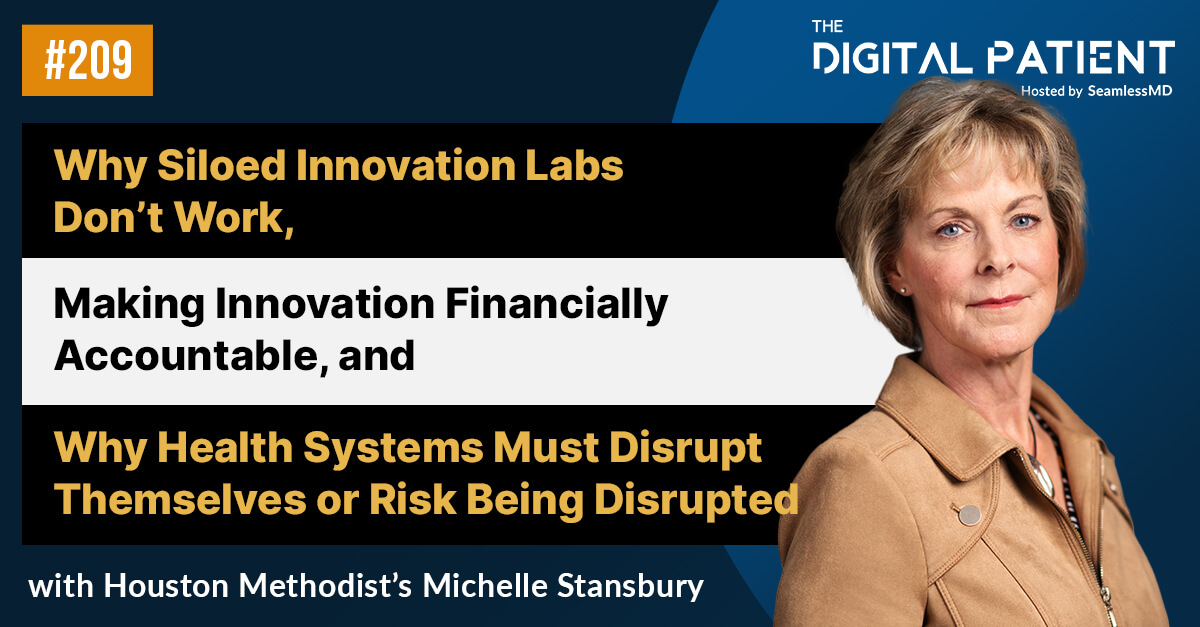
TDP 209: Houston Methodist’s Michelle Stansbury: Why Siloed Innovation Labs Don’t Work, Making Innovation Financially Accountable, and Why Health Systems Must Disrupt Themselves or Risk Being Disrupted
December 18, 2025

TDP 209: Houston Methodist’s Michelle Stansbury: Why Siloed Innovation Labs Don’t Work, Making Innovation Financially Accountable, and Why Health Systems Must Disrupt Themselves or Risk Being Disrupted

Learn More
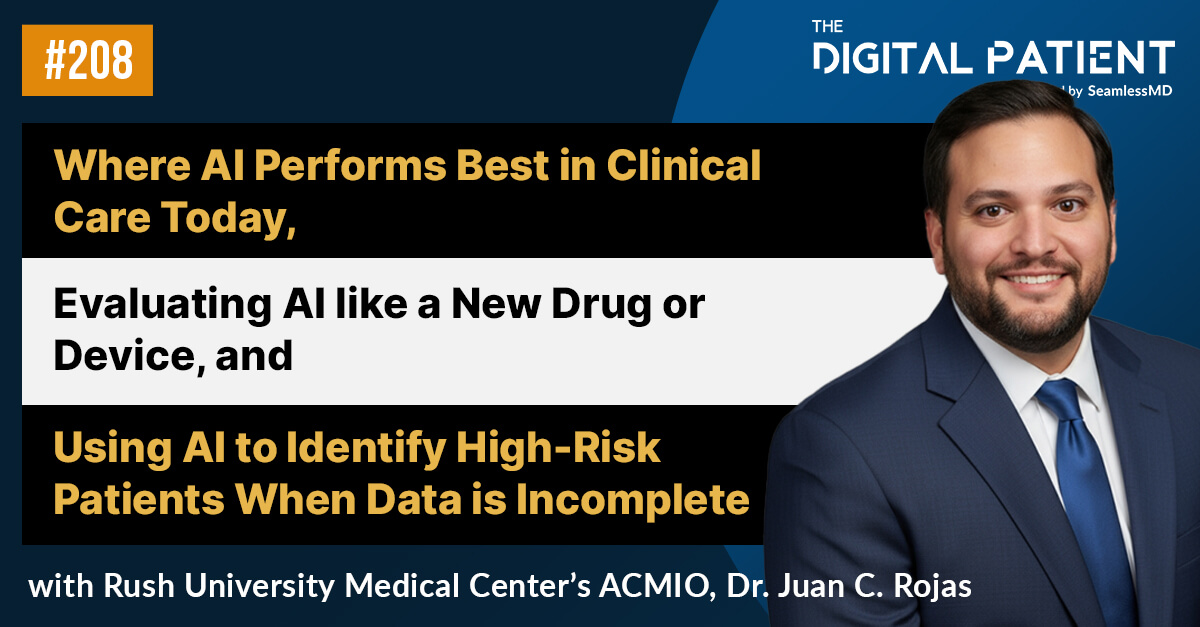
TDP 208: Rush University Medical Center’s ACMIO Dr. Juan C. Rojas: Where AI Performs Best in Clinical Care Today, Evaluating AI like a New Drug or Device, and Using AI to Identify High-Risk Patients When Data is Incomplete
December 16, 2025

TDP 208: Rush University Medical Center’s ACMIO Dr. Juan C. Rojas: Where AI Performs Best in Clinical Care Today, Evaluating AI like a New Drug or Device, and Using AI to Identify High-Risk Patients When Data is Incomplete

Learn More
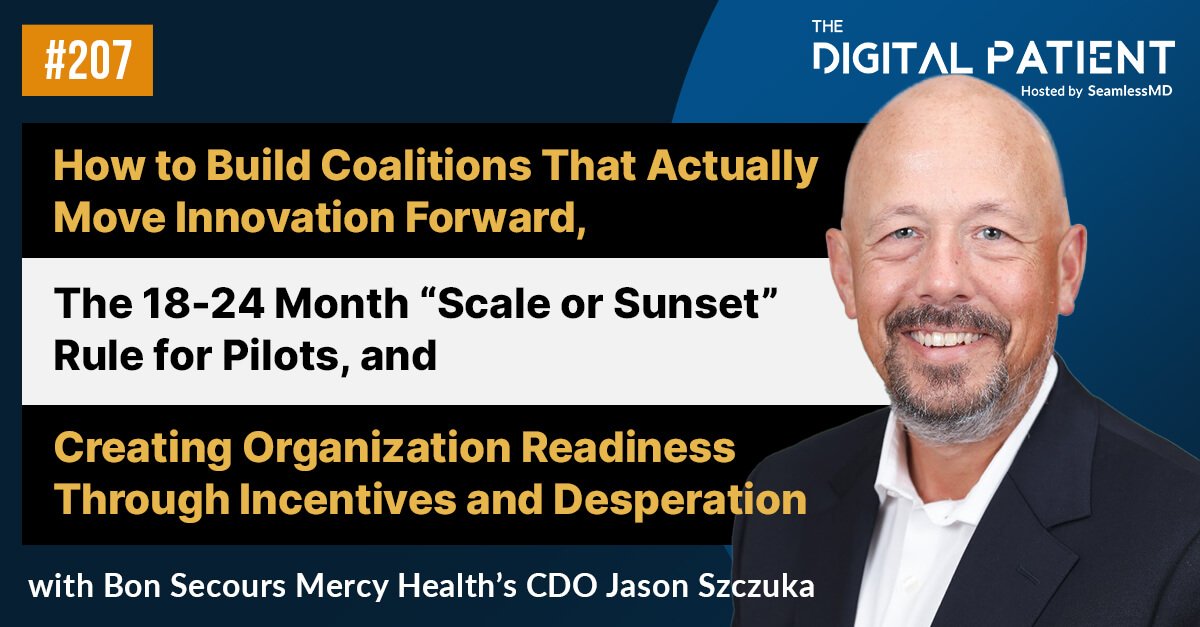
TDP 207: BSMH’s Jason Szczuka: Building Coalitions That Actually Move Innovation Forward, The 18-24 Month “Scale or Sunset” Rule for Pilots, and Creating Organization Readiness Through Incentives and Desperation
December 11, 2025

TDP 207: BSMH’s Jason Szczuka: Building Coalitions That Actually Move Innovation Forward, The 18-24 Month “Scale or Sunset” Rule for Pilots, and Creating Organization Readiness Through Incentives and Desperation

Learn More