è

Digital Patient Podcast

è Podcast - Episode 35 - Using Digital Patient Engagement to Curb the Opioid Crisis

March 9, 2021
By
seamless

Subscribe on: | | | | |

Video:

In this episode of the è Podcast, Dr. Joshua Liu, Co-founder & CEO at è, and marketing colleague, Alan Sardana, chat with Jessica Chung, RPh, PharmD, Patient Education Specialist at è on "Using Digital Patient Engagement to Curb the Opioid Crisis". See the show notes below for details.

Guest(s): Ms. Jessica Chung, RPh, PharmD, Patient Education Specialist at è

Dr. Joshua Liu (), Co-founder & CEO at è

Episode 35 – Show notes:

[0:29] Introducing Ms.Jessica Chung, RPh, PharmD, Patient Education Specialist at è;

[1:06] Why traditionalopioid risk scoring (e.g. SOAPP, DIRE & PDMP) can be problematic, as theyaddress potential opioid risk & track number of prescriptions but do notinfluence patient adherence or behavioral change;

[6:19] How digitalpatient engagement platforms like è can support both patients & cliniciansby delivering timely education (e.g. expectation-setting, opioid scheduling, safedisposal etc.) and by tracking opioid consumption in Oral Morphine Equivalents(OME);

[10:19] How Ms. Chung worked with a team at Atrium Health led by Dr. Dionisios Vrochides, MD, PhD, to develop a more comprehensive opioid risk-scoring calculator that references real patient opioid consumption data from 2018-2019, factors such as age, weight, height, smoking history, substance use, etc. and leverages digital patient engagement to gamify a patient’s score & influence behavior to adjust their score before surgery;

[14:43] How è’s opioid tracker has multiple variations:

1. The basic tracker – customizable to follow formularies of specific hospitals, collects information such as the most common medications and dosages used, and converts consumption data into OMEs;

2. The Universal Opioid and Doses Tracker – Listing of the most common opioids and doses for patients to compare & receive subtle reminders about alternatives to opioids for pain management;

[20:44] How è sendsdata back to clinicians, giving providers access to patient dashboards tovisualize population trends post-surgery (e.g. opioid consumption & painscores) as well as individual patient trends;

[22:55] How Atrium Health is using both historical data and è’s opioid tracker to compare opioid risk scores pre-surgery and opioid use post-surgery, thereby determining the efficacy of the new scoring tool;

[26:37] Why providers are interested in è’s opioid tracking capabilities since consumption data was previously unavailable, and how providers seek to collect data on opioid-sparing pain management modalities such as Tylenol use;

[28:10] Why patients like è’s opioid tracker for the depth of information provided, the complementary therapy education, the highly personalized aspect of the program, the easy-to-use self-reporting capabilities for pain levels and opioid intake, as well as for the daily check-ins that help keep patients accountable;

[33:50] Lightning Round Questions:

Q1: Aside from basic necessities, what is something you need every day to be happy?

A1: “Good sleep; I need a solid 8 hours so I always plan ahead. ”

Q2: If you could travel to any location or time in history and live there for a week, where would you pick and why?

A2: “Ocean City in Maryland; I’ve been going there every year since I was 11 and I really enjoy it there. I really like the boardwalk, and they have all-you-can-eat crab in almost all their restaurants.”

Q3: What is one of your fondest memories from your childhood?

A3: “Going to a live Elephant Show with my Dad, and getting to take a photo with a person dressed up as an elephant at the end of the show. ”

Q4: What is something in healthcare you believe that others may find insane?

A4: “We’re taught that generic drugs and brand-name drugs are virtually the same, but personally for me I much more prefer brand-name drugs.”

Q5: If you were not in healthcare, what would you be doing?

A5: “I played cello for most of my life from when I was a child, so I would probably be a cellist.”

è Podcast - Episode 35 - Using Digital Patient Engagement to Curb the Opioid Crisis

Posted by:
seamless
on
March 9, 2021

Subscribe on: | | | | |

Video:

In this episode of the è Podcast, Dr. Joshua Liu, Co-founder & CEO at è, and marketing colleague, Alan Sardana, chat with Jessica Chung, RPh, PharmD, Patient Education Specialist at è on "Using Digital Patient Engagement to Curb the Opioid Crisis". See the show notes below for details.

Guest(s): Ms. Jessica Chung, RPh, PharmD, Patient Education Specialist at è

Dr. Joshua Liu (), Co-founder & CEO at è

Episode 35 – Show notes:

[0:29] Introducing Ms.Jessica Chung, RPh, PharmD, Patient Education Specialist at è;

[1:06] Why traditionalopioid risk scoring (e.g. SOAPP, DIRE & PDMP) can be problematic, as theyaddress potential opioid risk & track number of prescriptions but do notinfluence patient adherence or behavioral change;

[6:19] How digitalpatient engagement platforms like è can support both patients & cliniciansby delivering timely education (e.g. expectation-setting, opioid scheduling, safedisposal etc.) and by tracking opioid consumption in Oral Morphine Equivalents(OME);

[10:19] How Ms. Chung worked with a team at Atrium Health led by Dr. Dionisios Vrochides, MD, PhD, to develop a more comprehensive opioid risk-scoring calculator that references real patient opioid consumption data from 2018-2019, factors such as age, weight, height, smoking history, substance use, etc. and leverages digital patient engagement to gamify a patient’s score & influence behavior to adjust their score before surgery;

[14:43] How è’s opioid tracker has multiple variations:

1. The basic tracker – customizable to follow formularies of specific hospitals, collects information such as the most common medications and dosages used, and converts consumption data into OMEs;

2. The Universal Opioid and Doses Tracker – Listing of the most common opioids and doses for patients to compare & receive subtle reminders about alternatives to opioids for pain management;

[20:44] How è sendsdata back to clinicians, giving providers access to patient dashboards tovisualize population trends post-surgery (e.g. opioid consumption & painscores) as well as individual patient trends;

[22:55] How Atrium Health is using both historical data and è’s opioid tracker to compare opioid risk scores pre-surgery and opioid use post-surgery, thereby determining the efficacy of the new scoring tool;

[26:37] Why providers are interested in è’s opioid tracking capabilities since consumption data was previously unavailable, and how providers seek to collect data on opioid-sparing pain management modalities such as Tylenol use;

[28:10] Why patients like è’s opioid tracker for the depth of information provided, the complementary therapy education, the highly personalized aspect of the program, the easy-to-use self-reporting capabilities for pain levels and opioid intake, as well as for the daily check-ins that help keep patients accountable;

[33:50] Lightning Round Questions:

Q1: Aside from basic necessities, what is something you need every day to be happy?

A1: “Good sleep; I need a solid 8 hours so I always plan ahead. ”

Q2: If you could travel to any location or time in history and live there for a week, where would you pick and why?

A2: “Ocean City in Maryland; I’ve been going there every year since I was 11 and I really enjoy it there. I really like the boardwalk, and they have all-you-can-eat crab in almost all their restaurants.”

Q3: What is one of your fondest memories from your childhood?

A3: “Going to a live Elephant Show with my Dad, and getting to take a photo with a person dressed up as an elephant at the end of the show. ”

Q4: What is something in healthcare you believe that others may find insane?

A4: “We’re taught that generic drugs and brand-name drugs are virtually the same, but personally for me I much more prefer brand-name drugs.”

Q5: If you were not in healthcare, what would you be doing?

A5: “I played cello for most of my life from when I was a child, so I would probably be a cellist.”

Recent news from è

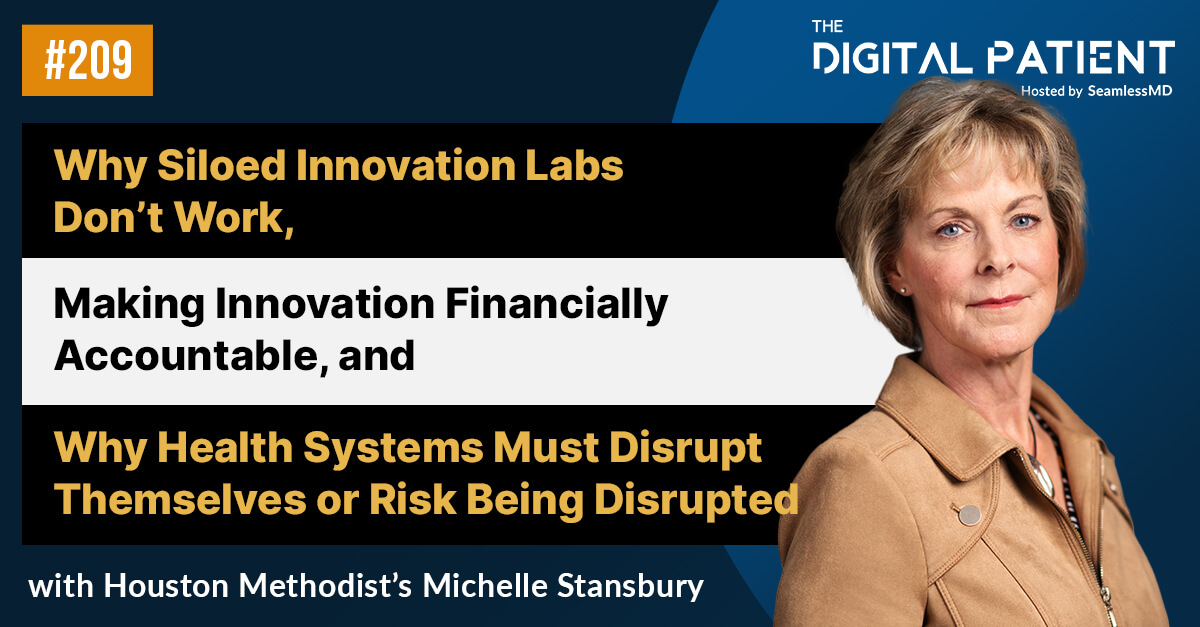
TDP 209: Houston Methodist’s Michelle Stansbury: Why Siloed Innovation Labs Don’t Work, Making Innovation Financially Accountable, and Why Health Systems Must Disrupt Themselves or Risk Being Disrupted
December 18, 2025

TDP 209: Houston Methodist’s Michelle Stansbury: Why Siloed Innovation Labs Don’t Work, Making Innovation Financially Accountable, and Why Health Systems Must Disrupt Themselves or Risk Being Disrupted

Learn More
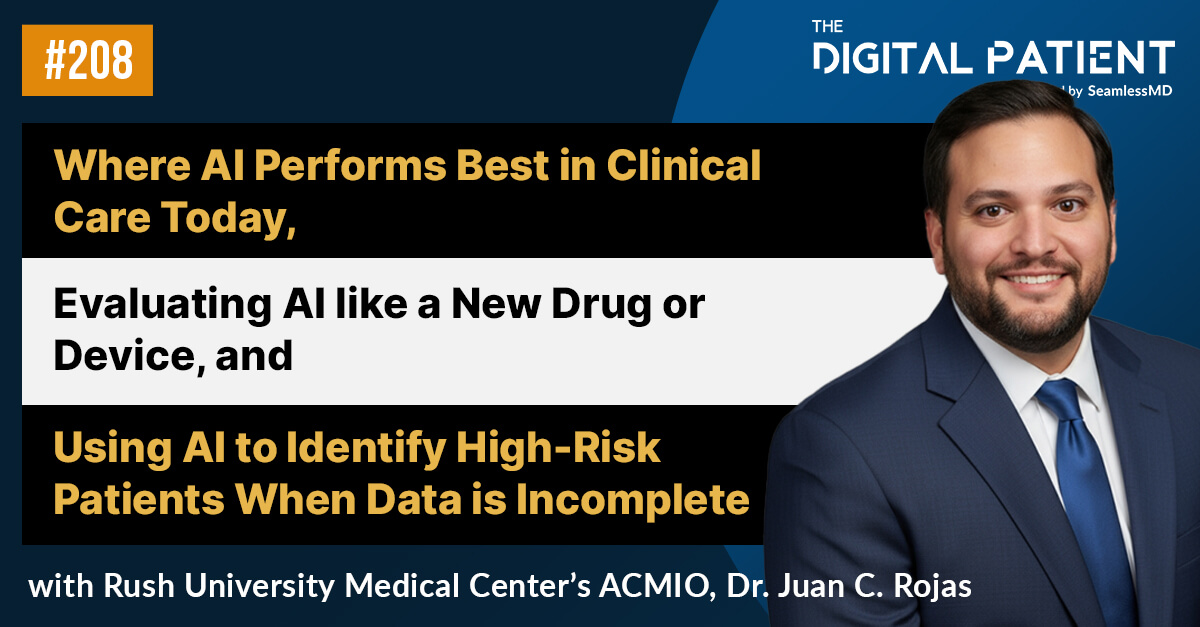
TDP 208: Rush University Medical Center’s ACMIO Dr. Juan C. Rojas: Where AI Performs Best in Clinical Care Today, Evaluating AI like a New Drug or Device, and Using AI to Identify High-Risk Patients When Data is Incomplete
December 16, 2025

TDP 208: Rush University Medical Center’s ACMIO Dr. Juan C. Rojas: Where AI Performs Best in Clinical Care Today, Evaluating AI like a New Drug or Device, and Using AI to Identify High-Risk Patients When Data is Incomplete

Learn More
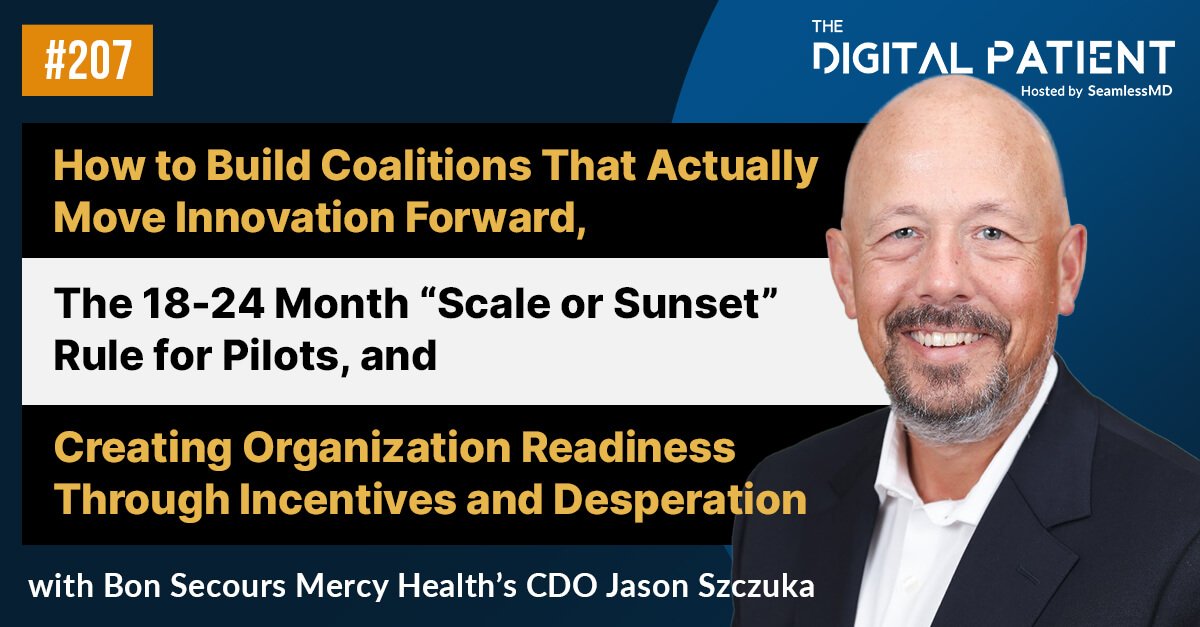
TDP 207: BSMH’s Jason Szczuka: Building Coalitions That Actually Move Innovation Forward, The 18-24 Month “Scale or Sunset” Rule for Pilots, and Creating Organization Readiness Through Incentives and Desperation
December 11, 2025

TDP 207: BSMH’s Jason Szczuka: Building Coalitions That Actually Move Innovation Forward, The 18-24 Month “Scale or Sunset” Rule for Pilots, and Creating Organization Readiness Through Incentives and Desperation

Learn More